
EV Charger Installation in Greenville, SC
Home Level 2 charger installs on a dedicated, properly sized circuit, quoted from photos before anyone sets foot on site.
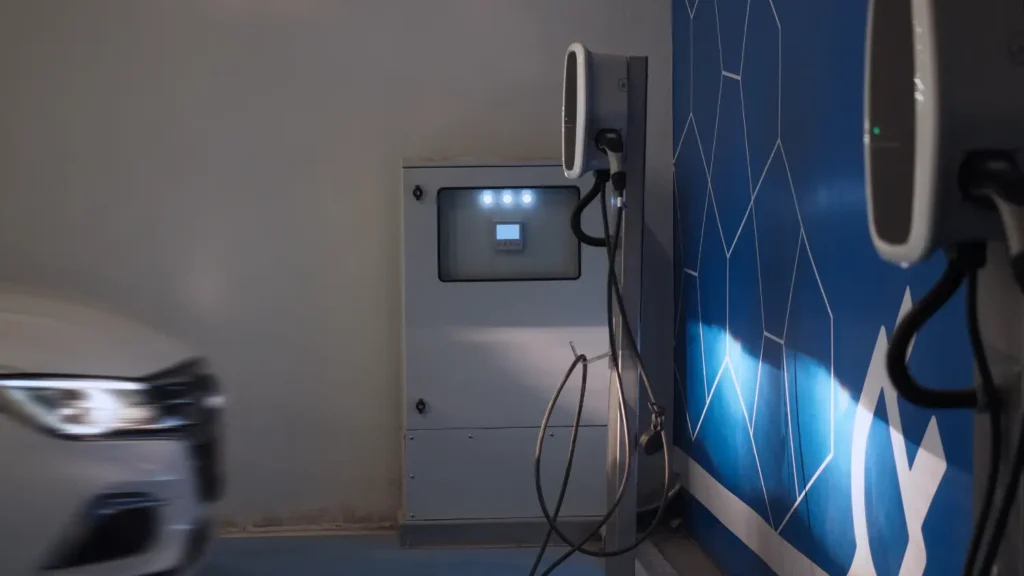
Charge at Home Without Overloading Your Panel
A Level 2 EV charger runs on a 240-volt circuit, the same type of power a dryer or electric range uses. It charges most electric vehicles overnight, compared to the days it can take on a standard 120-volt wall outlet.
The charger itself is the easy part. The work is in the circuit behind it. A Level 2 charger pulls a heavy, continuous load for hours at a time, so the wire gauge, breaker size, and panel capacity all have to be right. A charger tied into an undersized circuit or an overloaded panel will trip breakers, run hot, or charge slower than it should.
We start by checking whether your panel can handle the added load. Then we run a dedicated circuit sized to your charger, mount the unit or install a 240V outlet where you park, and test everything under load before we leave. If your panel doesn’t have the capacity, we’ll tell you up front and lay out your options.
- Why It Matters
Why the Circuit Matters as Much as the Charger
EV charging is one of the largest continuous loads a home will ever carry. Electrical code requires that circuit to be sized with extra headroom because it runs at full draw for hours. Wiring that’s fine for a short burst can overheat when it’s pushed all night, every night.
A correct install protects your panel, your wiring, and your car’s charging equipment. It also keeps your charger running at the speed it’s rated for, instead of being turned down to fit a circuit that was never meant for it.
Projects Completed
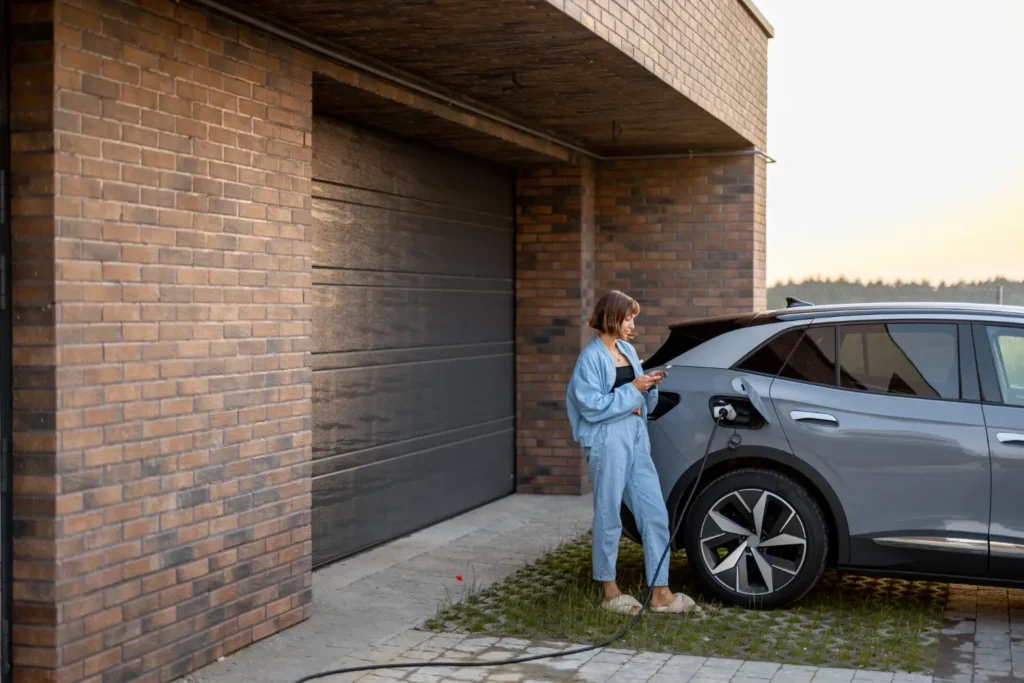
Signs You’re Ready for a Level 2 Charger
- You just bought, or are about to buy, an electric vehicle or plug-in hybrid
- Charging on a standard wall outlet doesn’t fully recharge your car overnight
- You rely on public charging stations more than you’d like
- You have a charger sitting in the box waiting to be installed
- Your breaker trips when you charge on an existing outlet
- An extension cord is part of your current charging setup
- The outlet or plug gets warm while your car charges
- Your home has an older panel and you’re not sure it can take the extra load
- Our Process
How It Works
Reach Out
Inspect & Diagnose
Get a Formal Quote
Schedule & Installation
- Service Areas
EV Charger Installation in Greenville and the Upstate
We install EV chargers for homeowners across Greenville, SC, and throughout the Upstate, including Greer, Simpsonville, Mauldin, Taylors, and Spartanburg.

Greenville
- Questions & Answers
Electrical FAQs
What’s the difference between a Level 1 and Level 2 charger?
Level 1 uses a standard 120V outlet and adds roughly 3–5 miles of range per hour. Level 2 uses a 240V circuit and typically adds 20–40 miles per hour, enough to fully charge most EVs overnight.
Will my electrical panel need an upgrade?
Not always. Many homes have the capacity, but older or smaller panels may not. We check your panel’s capacity before quoting and tell you if an upgrade is needed.
Should I get a hardwired charger or a plug-in outlet?
Both work. A hardwired charger is a cleaner install and can often run at a higher amperage. A 240V outlet lets you unplug and take the charger with you if you move. We’ll help you choose based on your car and charger.
I already bought a charger. Can you install it?
Send us the make and model with your photos. We’ll confirm the circuit it needs and quote the install.
Do I need a permit for an EV charger?
Installing a new 240V circuit typically requires an electrical permit. We’ll confirm what’s required for your address before work starts.
Ready to Charge at Home?
Send us a few photos of your panel and parking spot, and we’ll get you a quote.

Request Your Quote
Tell us what’s going on and attach a photo or short video if you can — it helps us give you a faster, more accurate quote.